


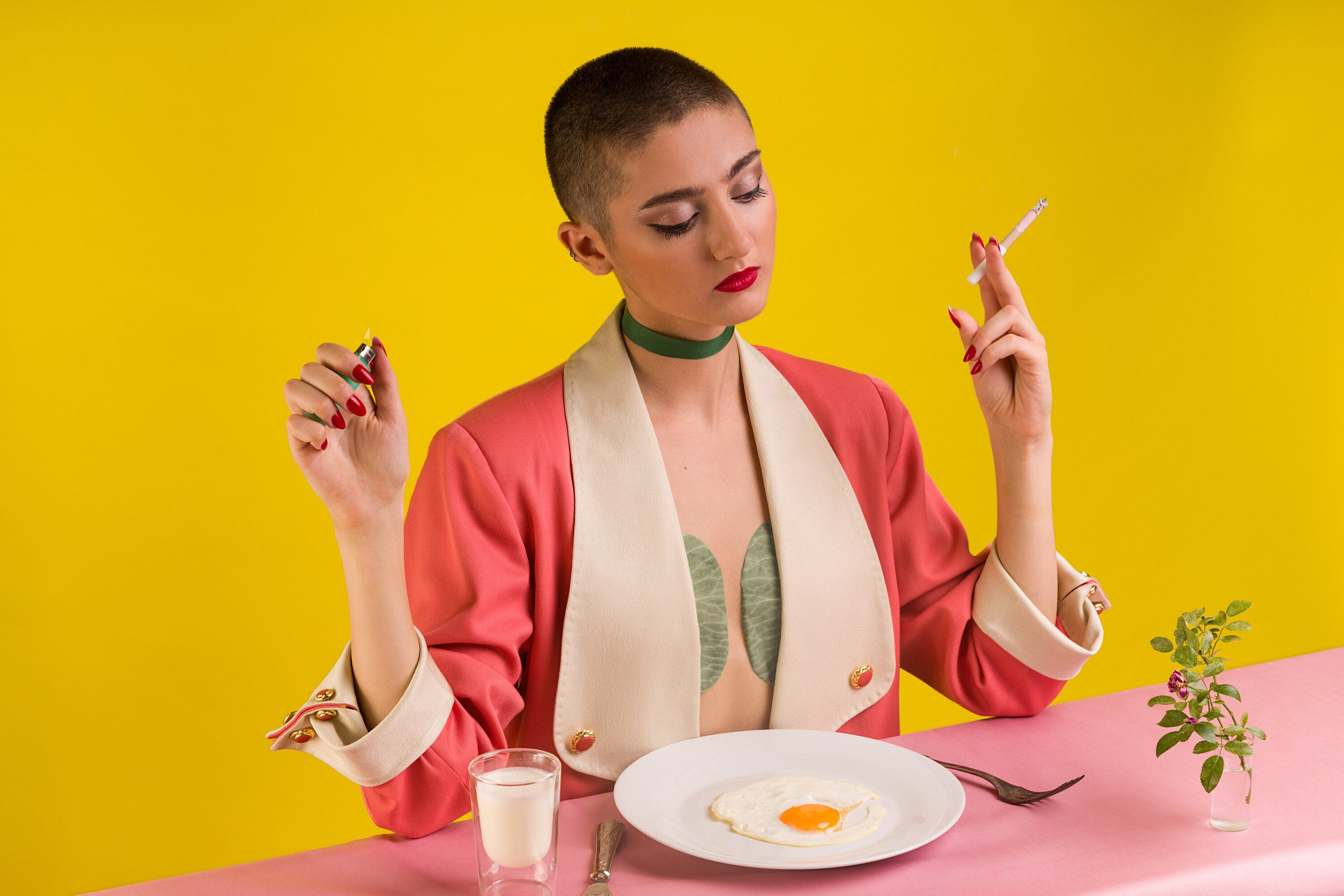
Eco-conscious, sustainble & revived creations
-

Handpicked Vintage
Ah, the allure of Vintage! Diving into second-hand treasures from different eras...
-

All recrafted products
Every recrafted piece, individually reworked from reclaimed fabric. No two are the...


each piece is one of a kind, made once and never repeated
-

Upcycled Mega-Pouch
Turn heads and make a difference with our upcycled mega-pouch, crafted from...
-

Upcycled Multipurpose Pouch
Get ready to organize your essentials with this upcycled multipurpose pouch. Crafted...
-

Upcycled linear wallet
Hand-crafted from reclaimed textiles, this upcycled wallet breathes new life into forgotten...
-

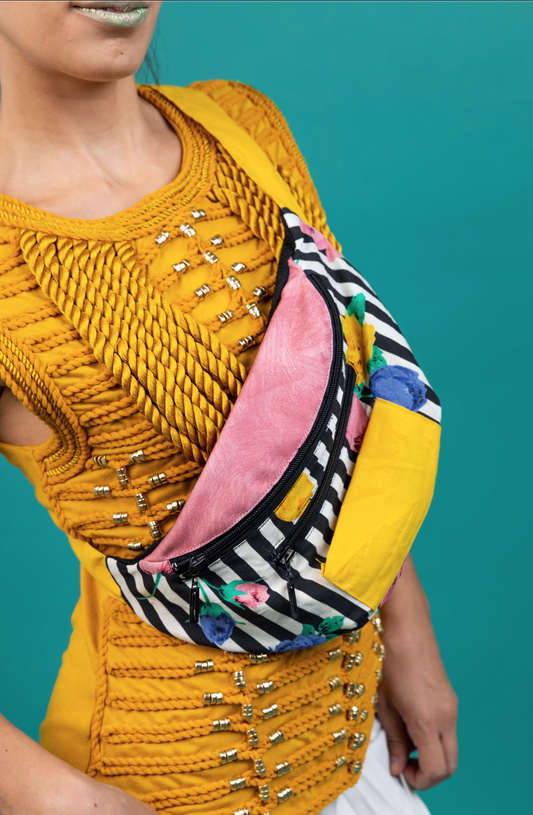
Upcycled Banana bag
Looking for a unique and eco-friendly way to carry your essentials? Look...
-

Upcycled Mini-Pouch
Enjoy the blend of upcycled fabrics and patterns for these small purses...
-

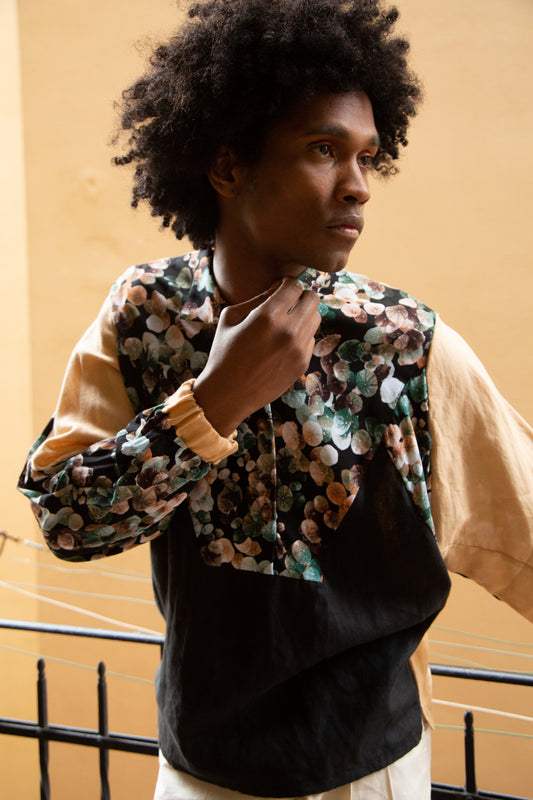
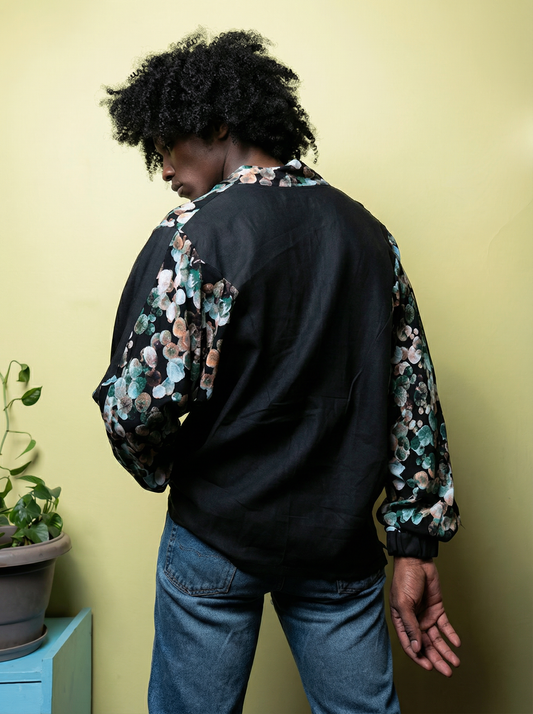
Upcycled Shirt
Reworked shirts given a second life. We take pre-loved fabric and cut,...
-

Upcycled Tote bag
Give your everyday essentials a stylish upgrade with our unique tote bags!...
-

Upcycled Square Wallet
Get ready to streamline your everyday with this upcycled square wallet. Crafted...


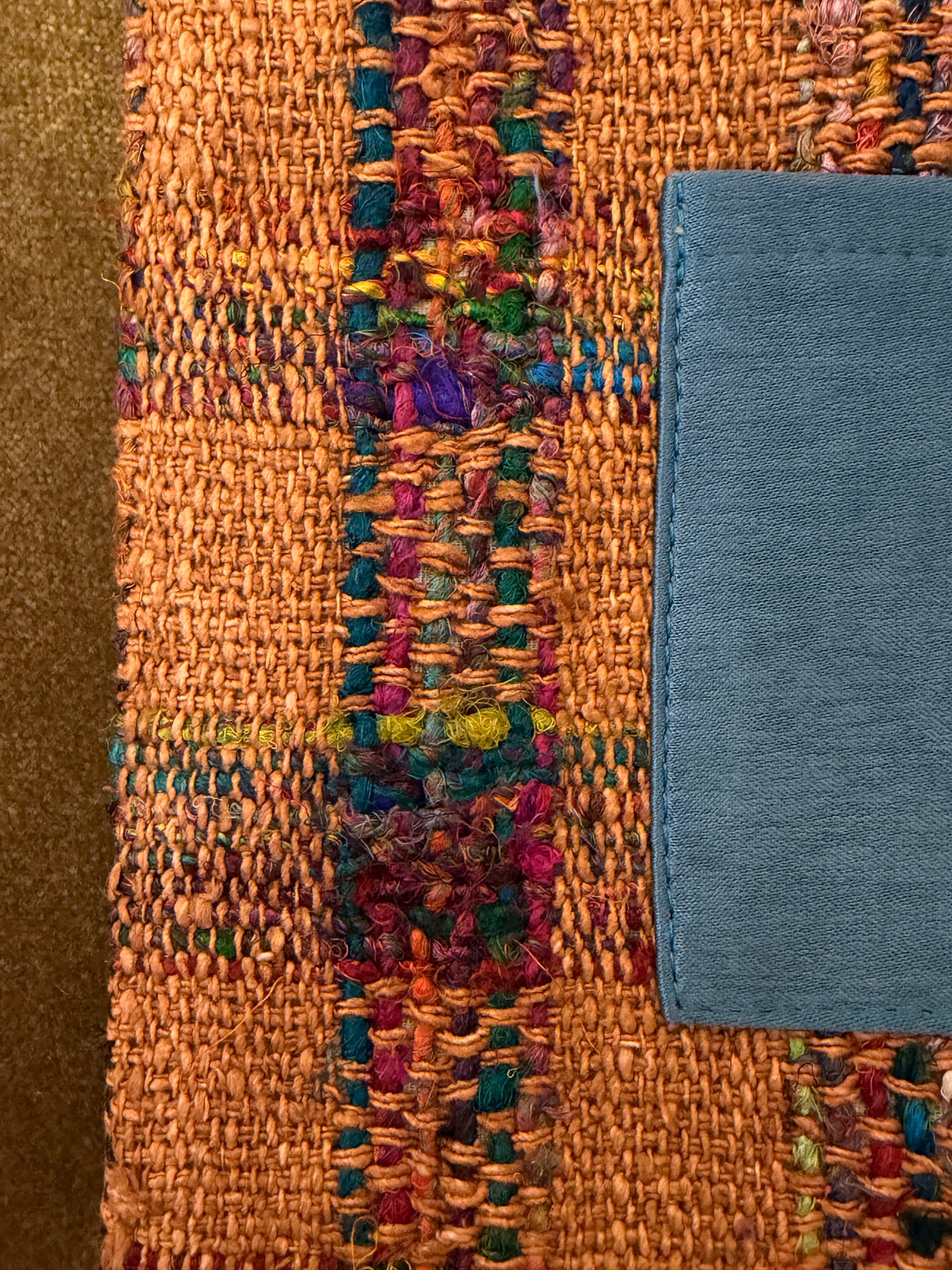
The Art of Sustainable Living . Community growing SINCE 2018


Upcycled Banana bag
-
Upcycled Shirt
Vendor:Vintagesoul 101Regular price $55.00USDRegular price -
Upcycled Shirt
Vendor:Vintagesoul 101Regular price $55.00USDRegular price -

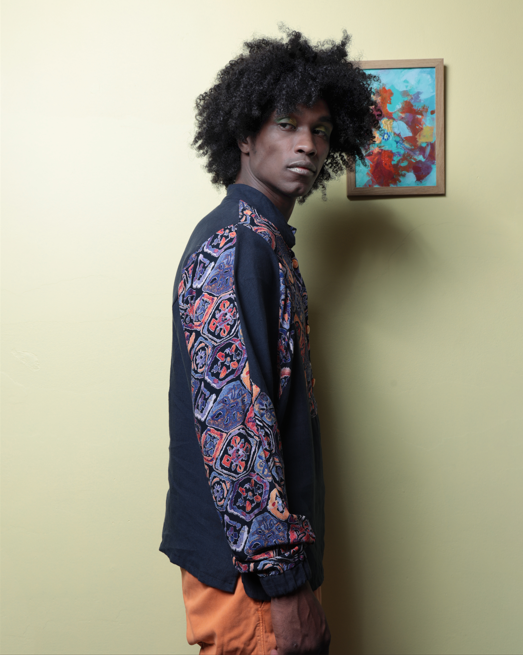 Sold out
Upcycled Shirt
Vendor:Vintagesoul 101Regular price $55.00USDRegular price -

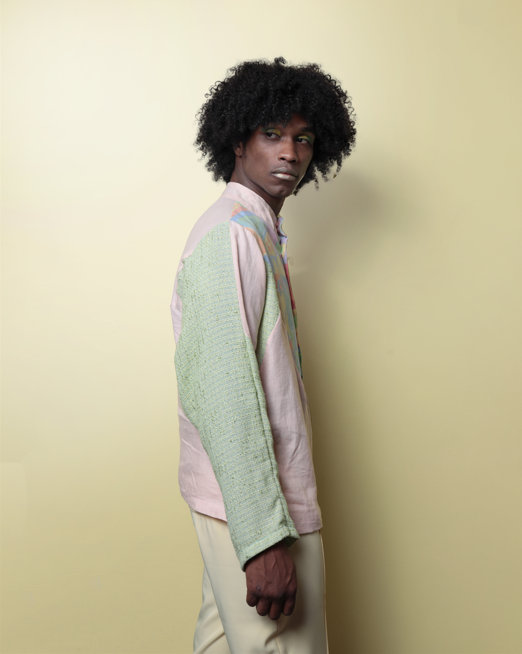 Sold out
Upcycled Shirt
Vendor:Vintagesoul 101Regular price $55.00USDRegular price




-
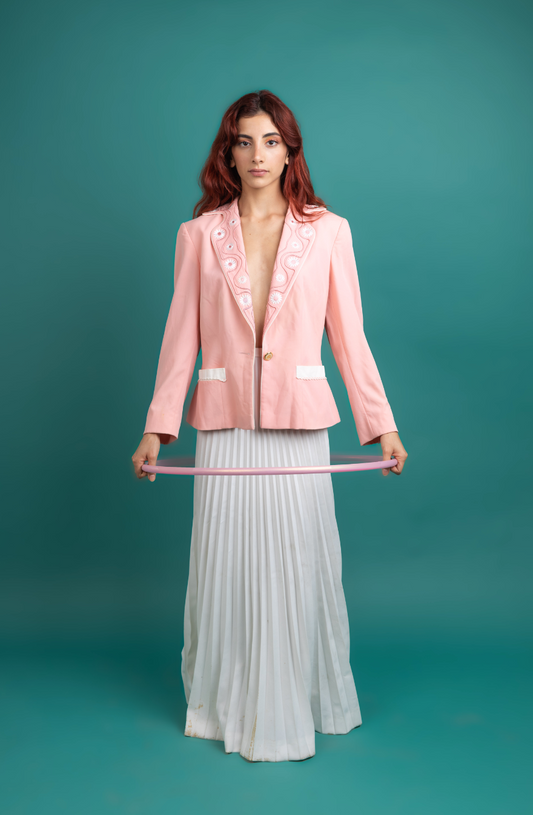
Escada Blazer
Regular price $150.00USDRegular price -
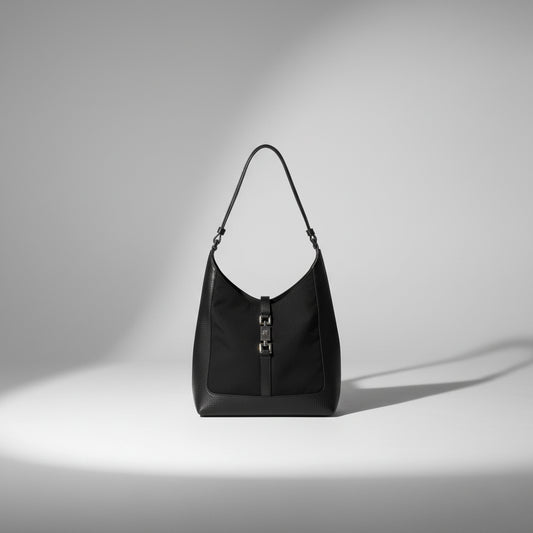
Vintage GUCCI Nylon Jackie Shoulder Bag Black
Regular price $550.00USDRegular price -

 Sold out
 -
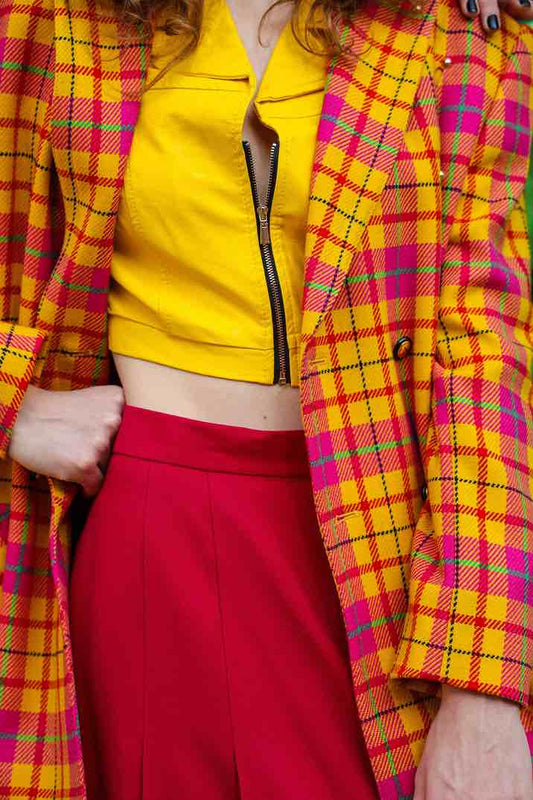
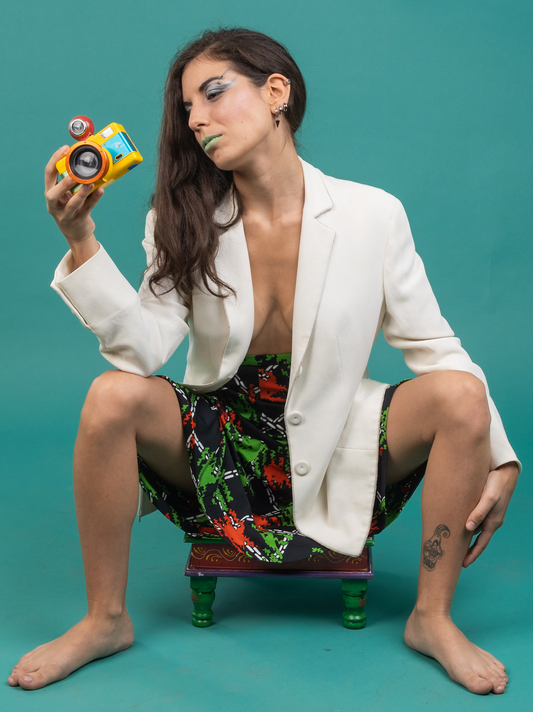
Moschino blazer
Regular price $150.00USDRegular price -
Balmain top
Regular price $140.00USDRegular price -

 Sold out
 -
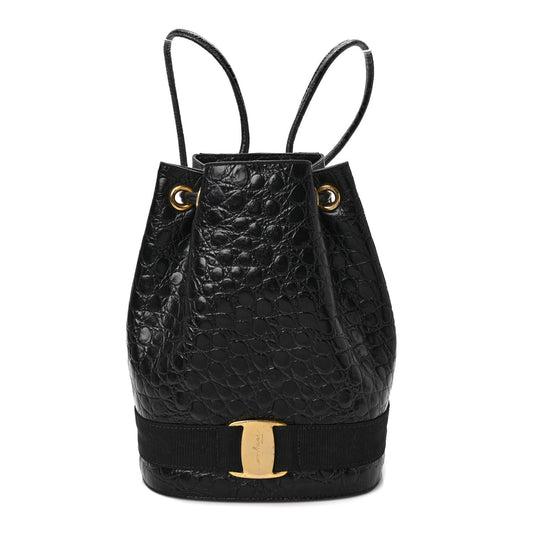
Salvatore Ferragamo Calfskin Crocodile Bucket Bag
Regular price $750.00USDRegular price -
HG leather creations
Regular price $185.00USDRegular price -

 Sold out









Let customers speak for us
The pouches and cross bags are absolutely beautiful and one of a kind, bursting with vibrant patterns and colors and very practical! The vintage clothes are in excellent condition, and you can really tell how carefully everything is curated. The owner, Jessica, is such a sweetheart—she has amazing taste and always shares the most helpful and inspiring styling tips.
These babies made it to Everest Base Camp!

Loved my experience with Vintage Soul 101!
Beautiful, unique pieces and I love that everything is thoughtfully upcycled and sustainable.
You can really feel the care behind each item, highly recommend ❤️
I recently purchased an upcycled tobacco pouch and I couldn’t be happier with it. Sturdy stitching and smooth zipper and the fact it’s made from upcycled materials makes it unique. Size is great and comfortable. Highly recommended eco-friendly products.
Absolutely love this patterned fanny pack! The design is so unique, the quality feels amazing!!!
❤️

Finding Vintage Soul was a turning point for my wardrobe and my spirit. What began as a simple interest in timeless fashion quickly grew into something much deeper. The incredible curation and the beautiful soul behind the brand truly set this shop apart. We connected over a shared love for the past, and that connection turned a shopping trip into a lifelong passion. I’m proud to say I’m officially a 'vintage soul' forever!

I received a vintage handbag as a birthday gift, it was fun and easy to love. The shape is unique without being over the top, and it’s well made for a vintage piece. The material feels sturdy, the zipper works well, and it fits the basics like a phone, wallet, and keys. It goes well with casual outfits and always gets noticed. A solid, fun bag if you like something a little different.
The shop that introduced me to vintage and makes me fall in love with it!
Jessica beyond being an owner for the shop, she is a wardrobe stylist, so always recommending the best styles to the pieces!
The items are one of kind, you can see how special each item is!
Love the products! Handcrafted, unique and full of soul 🙌 ❤️ So recommended!

Love it!!!

It's beautiful <3

In love with the designs
Every single one of them is just unique!
Vintagesoul is not only an online shop, it is more than that!
I love their love to upcycling and soul!
Got a banana bag that is just amazing heavy-duty and very practical 👌
Highly recommended 💖